Why Being a Great Rapper Isn't Enough Anymore
Welcome back to the blog for the Not Just Music Podcast! In this latest post, we're diving deep into a topic that's absolutely central to our recent episode, "Don't Just Rap, Entertain." We've been talking a lot about the evolving landscape of the music industry, and one of the most significant shifts we're seeing is the diminishing returns of simply being technically proficient. In today's hyper-connected, visually driven world, being a skilled rapper is merely the price of admission. What truly separates the artists who just get by from those who build lasting, impactful careers is the ability to be a captivating entertainer. This post will explore that crucial difference, why technical lyrical ability is just the starting point, and what it truly takes to forge a sustainable path in the music industry.
The 'Great Rapper' Myth: Why Technical Skill Isn't Enough
For decades, the archetype of the "great rapper" was synonymous with lyrical dexterity, complex rhyme schemes, and impeccable flow. Think of the underground legends, the lyrical titans whose verses could be dissected for hours, revealing hidden meanings and unparalleled wordplay. And don't get me wrong, there is an undeniable art to that. The ability to craft intricate narratives, paint vivid pictures with words, and deliver them with precision is a rare and valuable talent. However, what we've observed, and what we discussed at length in our episode, is that the industry has moved beyond a singular focus on this technical prowess.
The digital age has democratized music creation and distribution. Suddenly, everyone with a laptop and a microphone can record and release their music. This explosion of content means that the listener's attention is more fragmented than ever before. The sheer volume of music available means that simply being "good" isn't enough to cut through the noise. A listener might appreciate a rapper's intricate metaphors and multi-syllabic rhymes, but if that artist doesn't connect with them on an emotional or engaging level, they're likely to move on to the next track. The algorithms favor engagement, shareability, and overall appeal, not just technical perfection.
Consider the artists who have achieved massive mainstream success. While many of them possess undeniable lyrical talent, their appeal often extends far beyond their bars. They are personalities, trendsetters, and storytellers who can connect with a broad audience. The "great rapper" myth, while rooted in a valid appreciation for the craft, has become outdated as the sole measure of success. We're no longer in an era where a meticulously crafted mixtape passed around in local record stores is the primary driver of discovery. The internet, social media, and streaming platforms have fundamentally altered how artists are discovered, consumed, and appreciated. This doesn't devalue lyrical skill; it simply recontextualizes it. It's the foundation, not the entire building.
Beyond the Mic: Defining the Entertainer
So, if technical rapping isn't the sole determinant of success, what is? This is where the concept of the "entertainer" comes into play. An entertainer, in the context of music, is someone who can capture and hold an audience's attention, evoke emotion, and create a memorable experience. This goes far beyond just what you say and how you say it into a microphone. It encompasses a holistic approach to performance and presentation.
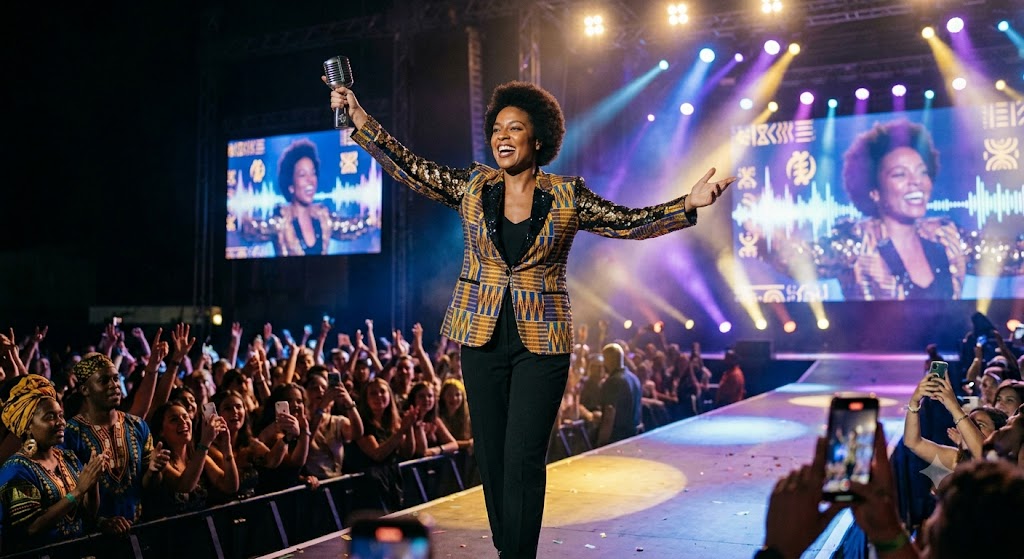
Stage Presence: This is perhaps the most obvious extension of the microphone. A great entertainer commands the stage. They move with confidence, interact with the crowd, and create an atmosphere of excitement. This isn't about being a trained dancer (though that can help!); it's about projecting energy and charisma. It's about making each person in the audience feel seen and connected to the performance. Think about iconic performers whose live shows are legendary. It’s not just about playing the hits; it’s about the energy, the storytelling, and the sheer force of their personality.
Visual Identity: In the age of social media, visuals are paramount. Your music video, your Instagram feed, your TikTok presence – these are all extensions of your artistic brand. An entertainer understands the importance of crafting a compelling visual identity that complements their music. This can be through fashion, aesthetics, storytelling in videos, or even the way they present themselves online. It’s about creating a cohesive and intriguing persona that draws people in and makes them want to know more.
Storytelling and Connection: While lyrical skill is part of storytelling, being an entertainer means weaving narratives that resonate on a deeper level. This can be through personal anecdotes, relatable experiences, or even creating fictional worlds within your music and performances. It's about forging an emotional connection with your audience, making them feel understood, inspired, or even challenged. This connection builds loyalty and turns casual listeners into dedicated fans.
Versatility: A true entertainer isn't confined to a single mode of expression. They can adapt their style, their content, and their delivery to suit different platforms and audiences. This might mean being able to deliver a powerful spoken-word performance, create engaging short-form video content, or collaborate with artists from different genres. Versatility allows an artist to remain relevant and expand their reach.
In essence, being an entertainer is about building a relationship with your audience. It’s about giving them more than just music; it’s about giving them an experience, a connection, and a reason to invest their time and attention in your art. This is a crucial distinction that many artists, focused solely on their lyrical prowess, overlook.
The Missing Ingredient: Developing Your Sonic Fingerprint
One of the most vital aspects of becoming a captivating entertainer, and a key takeaway from our episode, is the development of a unique "sonic fingerprint." This refers to the distinct combination of sounds, stylistic choices, and thematic elements that make an artist instantly recognizable. It's what makes someone say, "That's definitely a [Artist's Name] track" within the first few seconds of hearing it.
In an era where trends can be fleeting and genres can blend seamlessly, having a sonic fingerprint is your anchor. It’s what differentiates you from the countless other artists who might be employing similar production techniques or lyrical themes. This isn't about being completely avant-garde and alienating potential listeners, but rather about carving out a specific niche that is undeniably yours.
How do you develop a sonic fingerprint?
Intentionality in Production: It starts with the beats, the samples, the instrumentation, and the overall soundscape of your music. Are you drawn to gritty, lo-fi aesthetics, or do you prefer lush, orchestral arrangements? Do you have a signature synth sound, or a particular way of using vocal effects? Every production choice contributes to your sonic identity.
Vocal Inflection and Delivery: Beyond just flow, consider the nuances of your vocal delivery. Is your voice naturally raspy or smooth? Do you have a distinct cadence or accent? Experiment with different vocal textures and inflections that feel authentic to you. This is a deeply personal aspect of your sound.
Thematic Consistency: While you don't want to be repetitive, having recurring themes, lyrical motifs, or narrative styles can contribute to your sonic fingerprint. What stories do you find yourself telling repeatedly? What social or personal issues do you feel compelled to address? This consistency helps listeners connect with the core of your artistry.
Influences, Reimagined: It's natural to be influenced by the artists you admire. The key is to absorb those influences and then filter them through your own unique perspective. Don't just imitate; innovate. Take the elements you love and twist them, combine them, and make them your own. This is how true originality is born.
Experimentation and Evolution: Your sonic fingerprint isn't static. It will evolve as you grow as an artist. Embrace experimentation. Try new sounds, collaborate with different producers, and push your boundaries. The goal is to maintain a recognizable core while allowing for natural growth and innovation. Many artists fall into the trap of imitating popular trends instead of carving out their own unique musical territory. By focusing on originality and intentionality, creators can develop a "sonic fingerprint" that resonates across all platforms, from the recording studio to the live stage. The team highlights that finding your unique voice is the pinnacle of success in an industry where technical polish often overshadows distinctiveness.
Developing a strong sonic fingerprint is about more than just sounding different; it's about sounding like *you*. It's the foundation upon which a memorable and lasting career is built. It's what makes listeners choose your music when they have an infinite number of options.
From Influence to Innovation: Building a Sustainable Career
Achieving longevity in the music industry requires a delicate balance between mastering the creative craft and proactively learning the business side of the industry. It's not enough to simply create great music; artists must also understand how to navigate the complex ecosystem that surrounds it. This is where the concept of turning influence into innovation becomes paramount.
Understanding Your Audience: Who are you making music for? What are their interests, their values, and their aspirations? Understanding your core audience allows you to tailor your content, your messaging, and your outreach in a way that fosters genuine connection. It's about building a community, not just accumulating followers.
Leveraging Your Influence: Once you've established a connection with your audience, you have influence. This influence can be leveraged in numerous ways: to promote new music, to advocate for causes you believe in, or to collaborate with other artists. Successful artists are those who show staying power by connecting their cause with culture and growing their influence far beyond a small circle.
The Power of Collaboration: Collaboration is not just about expanding your reach; it's also about fostering innovation. Working with artists from different genres, backgrounds, and skill sets can lead to unexpected creative breakthroughs and introduce your music to new audiences. It's a powerful tool for cross-pollination and artistic growth.
Adaptability and Agility: The music industry is in a constant state of flux. New platforms emerge, trends shift, and consumer behavior evolves. Artists who are adaptable and agile are the ones who thrive. This means being willing to learn new skills, embrace new technologies, and adjust your strategy as needed. Stagnation is the enemy of sustainability.
Building a Brand Beyond the Music: In today's market, artists are often brands. This involves developing a narrative, a set of values, and a consistent message that extends beyond their music. This can manifest in merchandise, endorsements, philanthropic endeavors, or even entrepreneurial ventures. A strong brand creates multiple revenue streams and deepens the audience's connection to the artist.
The path to a sustainable career is not a straight line. It requires a multifaceted approach that combines artistic passion with smart business sense. By understanding your audience, leveraging your influence, embracing collaboration, and remaining adaptable, artists can move from merely being heard to truly being remembered.
The Business of Music: Mastering the Industry Beyond the Lyrics
It's a truth that many aspiring artists find hard to swallow: artistic talent alone is rarely enough to build a lasting career in music. While the creative impulse is the engine, the business acumen is the fuel that keeps the vehicle moving. Our episode touched on this extensively, highlighting that understanding the "business of music" is as critical as mastering your craft.
Royalties and Rights: This is fundamental. Do you understand how you get paid for your music? This includes mechanical royalties, performance royalties, sync licenses, and digital royalties. Ignorance in this area can lead to significant financial losses. Artists need to be educated about their rights and how to protect them.
Contracts and Agreements: Whether it's a record deal, a publishing agreement, a distribution contract, or a sponsorship deal, artists will encounter contracts. It's imperative to have a basic understanding of contract law or, ideally, to work with legal counsel to review and negotiate these agreements. A poorly understood contract can be a career-limiting trap.
Distribution and Promotion: How does your music reach your audience? This involves understanding digital distributors, streaming platform strategies, and effective marketing and promotional techniques. It’s not just about uploading your track; it’s about ensuring it’s heard by the right people.
Team Building: As an artist's career grows, they can't do it all alone. Building a trusted team – including managers, publicists, booking agents, and A&R representatives – is crucial. Understanding the roles of these professionals and how to effectively collaborate with them is key to scaling your career.
Financial Management: Artists need to be smart with their money. This includes budgeting, tracking expenses, understanding taxes, and making wise investments. Many artists, upon achieving success, find themselves struggling financially due to poor money management.
Networking and Relationships: The music industry is built on relationships. Attending industry events, connecting with other artists and professionals, and fostering genuine connections can open doors to opportunities that might otherwise remain inaccessible. As the show notes mentioned, successful artists connect their cause with culture and grow their influence far beyond a small circle. This requires active engagement and relationship building.
By combining artistic passion with smart business sense—such as understanding royalties and professional decision-making—artists can move from merely being heard to truly being remembered. Not Just Music Podcast provides the guidance needed for creators to turn their art into a professional platform that stands the test of time.
Conclusion: Becoming a Rapper Who is Remembered
As we wrap up this deep dive, it's clear that the definition of a "great rapper" has evolved significantly. While technical lyrical skill remains a valuable asset, it's no longer the sole determinant of success or longevity. The landscape of the music industry demands more. It requires artists to be captivating entertainers, to possess a distinct sonic fingerprint, and to understand the intricate business that underpins their art.
In our episode, "Don't Just Rap, Entertain," we explored these concepts in detail, providing actionable insights for artists looking to move beyond simply being good at rapping to becoming true forces in the music world. We discussed the importance of stage presence, visual identity, and forging emotional connections with your audience. We delved into the power of developing a unique sonic fingerprint that sets you apart, and the necessity of understanding the business of music to build a sustainable career.
The artists who are remembered, who leave a lasting legacy, are those who offer a complete package. They are not just wordsmiths; they are performers, brand builders, innovators, and savvy entrepreneurs. The journey from being a skilled rapper to becoming an artist who truly resonates and endures is a challenging but ultimately rewarding one. It requires a willingness to grow, to learn, and to embrace every facet of what it means to be a modern-day musician.
We hope this blog post has expanded on the themes we explored in the episode and offered you valuable insights. Remember, your art is your voice, but your impact is built on how you choose to amplify it. Keep creating, keep performing, and keep building.

Host / Music Producer / Videographer / Musician
I am a well-rounded musician who later became a Podcast and Music Producer. I earned a Bachelor of Science degree in Music Production from Full Sail University, and I have experience in beats, mixing, and mastering. Before attending Full Sail, I lacked confidence in my abilities. However, enrolling in the program helped me become more skilled and confident in music production.
My musical journey began at Morning Star Baptist Church in Charlotte, North Carolina, where I was a drummer for several years. During high school, I transitioned to keyboards and started singing with a quartet group called The Voices of Morning Star, which was founded by my late uncle Dennis Barrino. I also played the trumpet from elementary school through my senior year of high school and began playing the tuba in tenth grade.
Throughout high school and college, I was an All-American Track and Field athlete, specializing in hurdles and short and long distances. After graduating from the University of South Carolina, I returned to Charlotte and attended the Just 4 U Barber & Styling Academy. Since then, I have been working as a barber while continuing to pursue my passion for music.
Why Hand-to-Hand CD Sales Beat Spotify Streaming For Independent Artists