How Real Vocal Layering and AI Assistants Differ in Modern Music Production
When producing a gospel record, the choice between traditional vocal stacking and AI vocal assistance defines the final emotional impact. Understanding how to layer real performances while utilizing AI strictly as a creative tool ensures artists maintain their authentic voice and message without sacrificing modern production depth.
Key Takeaways
- Real vocal layering involves tracking actual performances and stacking them with keyboard synthesizers to simulate a massive choir sound.
- AI should be used as a post-production assistant for a pre-existing human vocal rather than a replacement for human emotion and songwriting.
- Choosing emotional resonance over a technically flawless vocal take preserves the authenticity of a gospel or testimony record.
- Artists who rely on artificial generation risk creating detached art that fails to connect with listeners on a personal level.
- A thoughtful production process ensures that background arrangements amplify the core message instead of overpowering the lead vocals.
The Art of Vocal Stacking vs. Artificial Generation
Modern music production sits at a fascinating crossroads between time-honored studio techniques and cutting-edge artificial intelligence. When crafting a spiritually driven or emotionally heavy track, the integrity of the vocal performance remains the anchor of the entire song. Many independent producers face a dilemma when trying to achieve a full, stadium-sized choir sound without a massive budget or a twenty-person recording ensemble.
The solution often lies in strategic vocal stacking combined with keyboard synths. Instead of hiring dozens of background vocalists, a producer can take real, raw vocal takes—such as the heartfelt performances from background singers—and layer them meticulously. By weaving these authentic human vocal textures alongside keyboard-driven choir pads, the final mix achieves massive width and depth while retaining a completely organic feel. It sounds like a large choir because the foundation is built on real human breath, pitch variations, and emotional nuance.
Why Human Emotion Surpasses Perfection
In the quest for radio-ready polish, some producers lean heavily on pitch correction and digital manipulation. However, as discussed in our studio sessions, a technically perfect vocal take can sometimes feel completely sterile. Listeners connect with vulnerability, strain, and raw emotion. When an artist sings from a difficult personal place—such as working through a dark season or building up personal faith—that internal struggle must translate through the microphone. A slightly imperfect note delivered with genuine conviction will always outperform a mathematically pristine digital vocal.
How to Properly Integrate AI in the Studio
The debate surrounding artificial intelligence in music often centers on fear: the fear that computers will completely replace human songwriters and performers. However, a massive distinction exists between allowing AI to generate a song from a simple text prompt and using AI as an intelligent assistant to enhance human creativity.
If an artist chooses to incorporate AI tools into their workflow, the golden rule is to always bring a human idea to the table first. The cheat sheet for ethical and effective AI use in vocal production is simple: take a real vocal that you personally recorded and created in the studio. Feed that genuine performance into the system with specific instructions to enhance clarity, warmth, or harmonic resonance. By feeding the AI an authentic human blueprint, you prevent the software from inventing the soul of the track. The soul is already baked into the original audio file.
Avoiding the "Prompt-and-Pray" Trap
Many creators fall into the trap of letting generative algorithms write lyrics, melodies, and full arrangements from scratch. This method creates a massive disconnect between the art and the artist. If you cannot personally connect with the lyrics coming out of the speakers, your audience certainly won't connect with them either. Music that lasts—music that doesn't come back to haunt you in a courtroom or ring hollow years later—must be rooted in personal truth and intentionality.
Conclusion
Navigating the modern music landscape requires a balance of innovative tools and unwavering authenticity. Whether you are stacking real vocal harmonies from global collaborators or using advanced software to polish your original recordings, the core message must always remain uniquely yours. To dive deeper into these studio philosophies and hear the stories behind upcoming gospel records, Listen to the full episode. Join us as we keep conversations real, honest, and grounded in the true art of music creation.
Frequently Asked Questions
What is vocal stacking in music production?
Vocal stacking is the process of recording multiple vocal takes—often harmonies or background parts—and layering them together in the mix to create a richer, fuller, and more powerful sound.
Can AI replace real background singers entirely?
While AI can generate synthetic choir sounds, it lacks the lived-in human emotion, micro-timing variations, and spiritual conviction of real vocalists like Trina, Millie, or dedicated session singers.
How can artists use AI ethically in their songs?
Artists can use AI ethically by utilizing it strictly as an assistant to enhance pre-existing human elements, such as using an original recorded vocal as a reference input rather than generating an entirely automated track from scratch.
Why is emotional delivery more important than technical perfection?
Listeners ultimately connect with the raw feeling and authenticity of a performance. A technically flawless vocal take devoid of emotion will fail to resonate compared to a vulnerable, honest expression of an artist's true life experience.
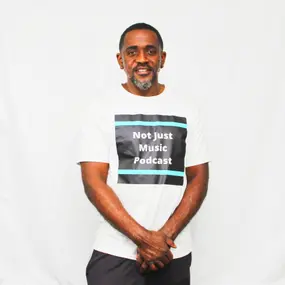
Host / Music Producer / Videographer / Musician
I am a well-rounded musician who later became a Podcast and Music Producer. I earned a Bachelor of Science degree in Music Production from Full Sail University, and I have experience in beats, mixing, and mastering. Before attending Full Sail, I lacked confidence in my abilities. However, enrolling in the program helped me become more skilled and confident in music production.
My musical journey began at Morning Star Baptist Church in Charlotte, North Carolina, where I was a drummer for several years. During high school, I transitioned to keyboards and started singing with a quartet group called The Voices of Morning Star, which was founded by my late uncle Dennis Barrino. I also played the trumpet from elementary school through my senior year of high school and began playing the tuba in tenth grade.
Throughout high school and college, I was an All-American Track and Field athlete, specializing in hurdles and short and long distances. After graduating from the University of South Carolina, I returned to Charlotte and attended the Just 4 U Barber & Styling Academy. Since then, I have been working as a barber while continuing to pursue my passion for music.

Why Hand-to-Hand CD Sales Beat Spotify Streaming For Independent Artists