How to Format a Music Submission Email That Radio Stations Will Actually Read
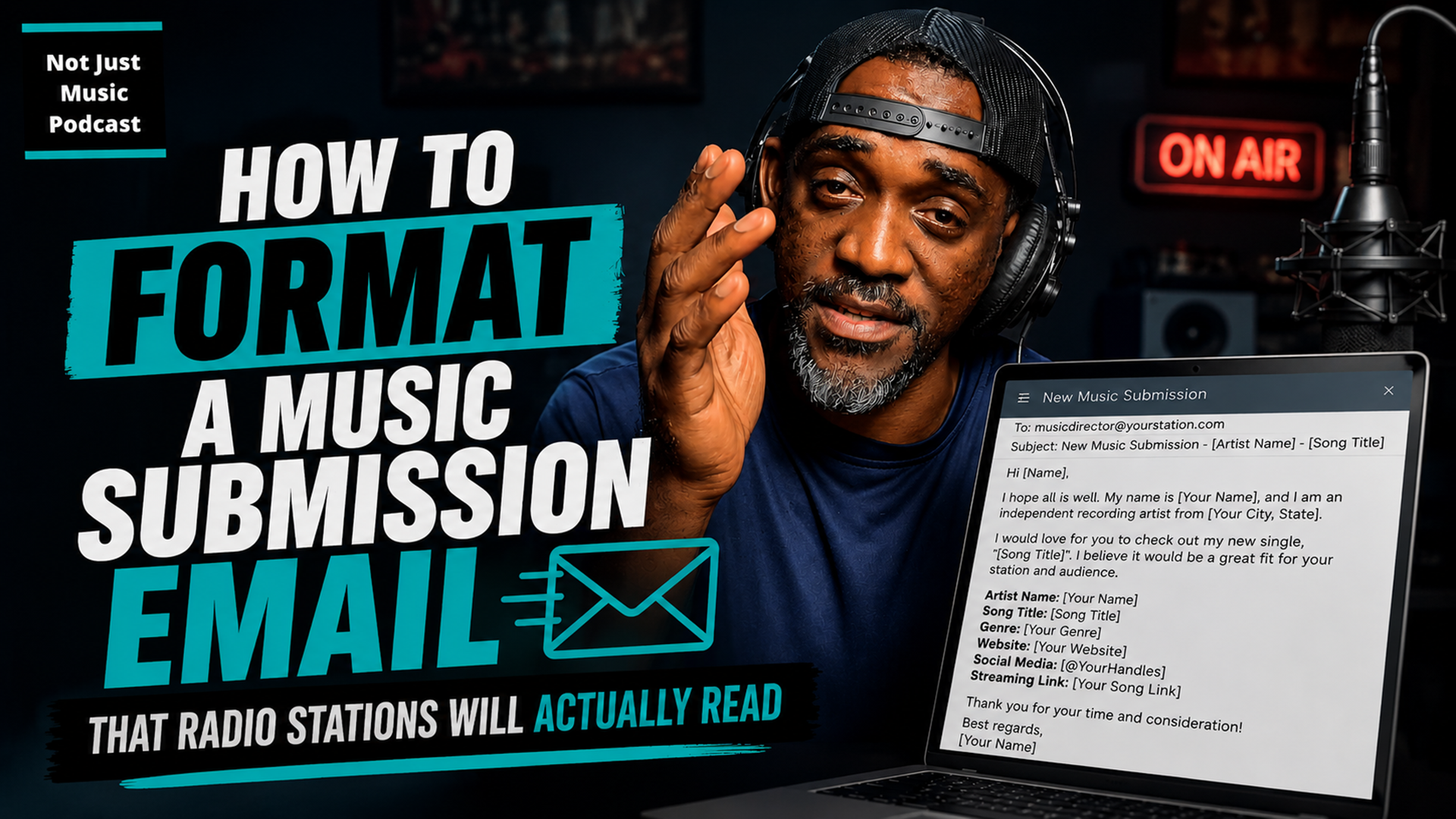
Submitting music to radio stations, curators, and industry professionals requires far more than dropping a link in an inbox. This guide breaks down the exact formatting rules, metadata details, and organizational strategies independent artists must use to ensure their tracks get credited, reviewed, and spun without getting lost in the digital noise.
Key Takeaways
- Always match your artist name and track title in the email body to your official streaming metadata to guarantee royalty tracking via SoundExchange.
- Create a dedicated, clutter-free business Gmail account solely for music submissions to keep industry opportunities from drowning in personal notifications.
- Include a brief, engaging description of the song so programmers and podcast hosts instantly understand the context and vibe of your release.
- Turn on push notifications for your dedicated business inbox so you never miss time-sensitive booking, licensing, or radio feature requests.
- Move away from social media direct messages for serious business inquiries, as industry professionals rarely browse DMs for formal pitches.
Why Most Independent Music Submissions Fail in the Inbox
When independent artists decide to step away from social media direct messages and finally embrace professional email pitching, they often make a critical assumption: they think sending any email at all is enough. Unfortunately, an inbox cluttered with vague subject lines, missing metadata, and dead links will stall your career just as fast as a neglected Instagram DM. Music directors, radio programmers, and podcast curators receive dozens—sometimes hundreds—of pitches every single day. If your email lacks basic structural integrity, it goes straight to the trash.
Professional communication in the music industry isn't about using overly formal corporate jargon; it is about respecting the recipient's time and making it effortless for them to work with you. When you submit music for radio airplay or podcast features, every piece of information you provide serves a specific logistical purpose. Failing to include standard identifiers means you might miss out on proper royalty distributions and performance credits when your track goes live.
The 4 Essential Details Every Music Pitch Email Needs
If you want your track to move from the review queue to active rotation, your submission email must contain a specific set of foundational details. Leaving out even one of these elements creates administrative friction that busy curators simply won't take the time to fix on your behalf.
1. Exact Artist and Track Name Matching
The single most important technical detail in your music submission is accuracy. The artist name and song title written in your email body must match your official digital distribution metadata down to the letter. If your artist name is stylized one way on Spotify and Apple Music, but spelled differently in your email pitch, confusion arises. More importantly, precise naming ensures that when your song is spun on indie stations or digital radio, the data matches downstream performance tracking systems like SoundExchange, guaranteeing you get paid for your streams and airplay.
2. A Short Contextual Description
Never drop an anonymous audio link or MP3 file without context. Programmers need to know what they are listening to before they hit play. Write a concise two-to-three sentence description of the track. Mention the genre vibe, the emotional intent, or what inspired the creation of the record. This brief background helps curators quickly determine where your song fits into their rotation or broadcast schedule.
3. Streamlined, Direct Links
Avoid attaching massive audio files directly to your initial email, as this triggers spam filters and clogs up the recipient's storage. Instead, provide clean, direct streaming links (such as private SoundCloud links, Spotify pre-saves, or secure Dropbox/Google Drive folders) that allow the recipient to evaluate your music instantly on any device.
4. Fully Functional Contact Info
It sounds obvious, but many artists fail to include a clean sign-off with verifiable contact details. Your email signature should list your primary contact email, your management details if applicable, and links to your primary web presence or electronic press kit (EPK).
Is Your Personal Email Costing You Opportunities?
Beyond the formatting of the email itself, how you manage your digital infrastructure plays a massive role in your success. Many independent creators use a single personal email address for everything—shopping receipts, family updates, bill notifications, and music business pitches. This is a recipe for disaster.
When dozens of low-priority personal emails flood your inbox every day, high-stakes industry messages easily get buried. To fix this, set up a dedicated business email address using free tools like Gmail, which allows you to manage multiple accounts seamlessly. Keep this address strictly for music business, radio submissions, and professional networking. Turn on dedicated notification alerts for this inbox alone so that when a programmer or promoter reaches out, you see it immediately. Treating your communication infrastructure like a legitimate business separates career-minded artists from casual hobbyists.
Take Control of Your Career Communication
Elevating your music career requires replacing lazy digital habits with intentional, professional communication strategies. By ditching social media DMs for serious pitches, organizing a dedicated business inbox, and formatting your track submissions with flawless metadata, you position yourself as a serious professional ready for industry-level opportunities.
Ready to dive deeper into why modern communication habits are holding artists back and how to level up your industry approach? Listen to the full episode of the Not Just Music Podcast for a complete breakdown of professional etiquette, networking strategies, and industry insights.
Frequently Asked Questions
Should I attach audio files directly to my music submission email?
No. Attaching large audio files like WAV or MP3 documents directly to your email can trigger spam filters and overwhelm the recipient's inbox storage. Always use secure, streaming-ready links such as private SoundCloud links, secure cloud folders, or streaming service links.
Why is matching my song title in the email body so important for royalties?
Exact matching ensures that radio programmers, DJs, and podcast hosts attribute your spins correctly. Accurate track titles and artist names feed properly into performance rights organizations and tracking services like SoundExchange, ensuring you receive proper credit and royalties when your music is broadcasted.
Is it okay to pitch my music to radio stations through Instagram or Facebook DMs?
No. Industry professionals, radio directors, and serious curators rarely check social media direct messages for business pitches. DMs are cluttered with spam and casual messages, making email the only reliable and professional medium for formal music submissions.
How many email addresses should I have as an independent artist?
You should maintain at least two separate email accounts: one for personal use (family, bills, online shopping) and a completely separate, dedicated email address strictly for your music business, radio submissions, and professional networking.

Host / Music Producer / Videographer / Musician
I am a well-rounded musician who later became a Podcast and Music Producer. I earned a Bachelor of Science degree in Music Production from Full Sail University, and I have experience in beats, mixing, and mastering. Before attending Full Sail, I lacked confidence in my abilities. However, enrolling in the program helped me become more skilled and confident in music production.
My musical journey began at Morning Star Baptist Church in Charlotte, North Carolina, where I was a drummer for several years. During high school, I transitioned to keyboards and started singing with a quartet group called The Voices of Morning Star, which was founded by my late uncle Dennis Barrino. I also played the trumpet from elementary school through my senior year of high school and began playing the tuba in tenth grade.
Throughout high school and college, I was an All-American Track and Field athlete, specializing in hurdles and short and long distances. After graduating from the University of South Carolina, I returned to Charlotte and attended the Just 4 U Barber & Styling Academy. Since then, I have been working as a barber while continuing to pursue my passion for music.
Why Hand-to-Hand CD Sales Beat Spotify Streaming For Independent Artists